November Trout: Low Water, Big Possibilities
Fishing on Lake Taneycomo is settling into a late-fall rhythm as November begins.
From October 18 through 1 a.m. on November 1, Branson Airport observations archived by the Iowa Environmental Mesonet ranged from 39.2 F to 80.6 F, averaging about 61.2 F. Skies were clear for most hourly reports, with about 0.48 inches of measured hourly precipitation in that window. The colder early mornings feel like fall, while many afternoons have still been comfortable on the water.
USACE rows checked November 1 showed Table Rock near 910.47 feet, about 6.5 feet below the listed 917-foot power pool. Spillway release was zero in the visible October 30–November 1 rows. Minimum turbine release stayed near 20 cfs for long stretches, with shorter generation pulses reaching about 3,448 cfs on October 30 and 1,368 cfs on October 31. Check the schedule before each trip because the timing can change.
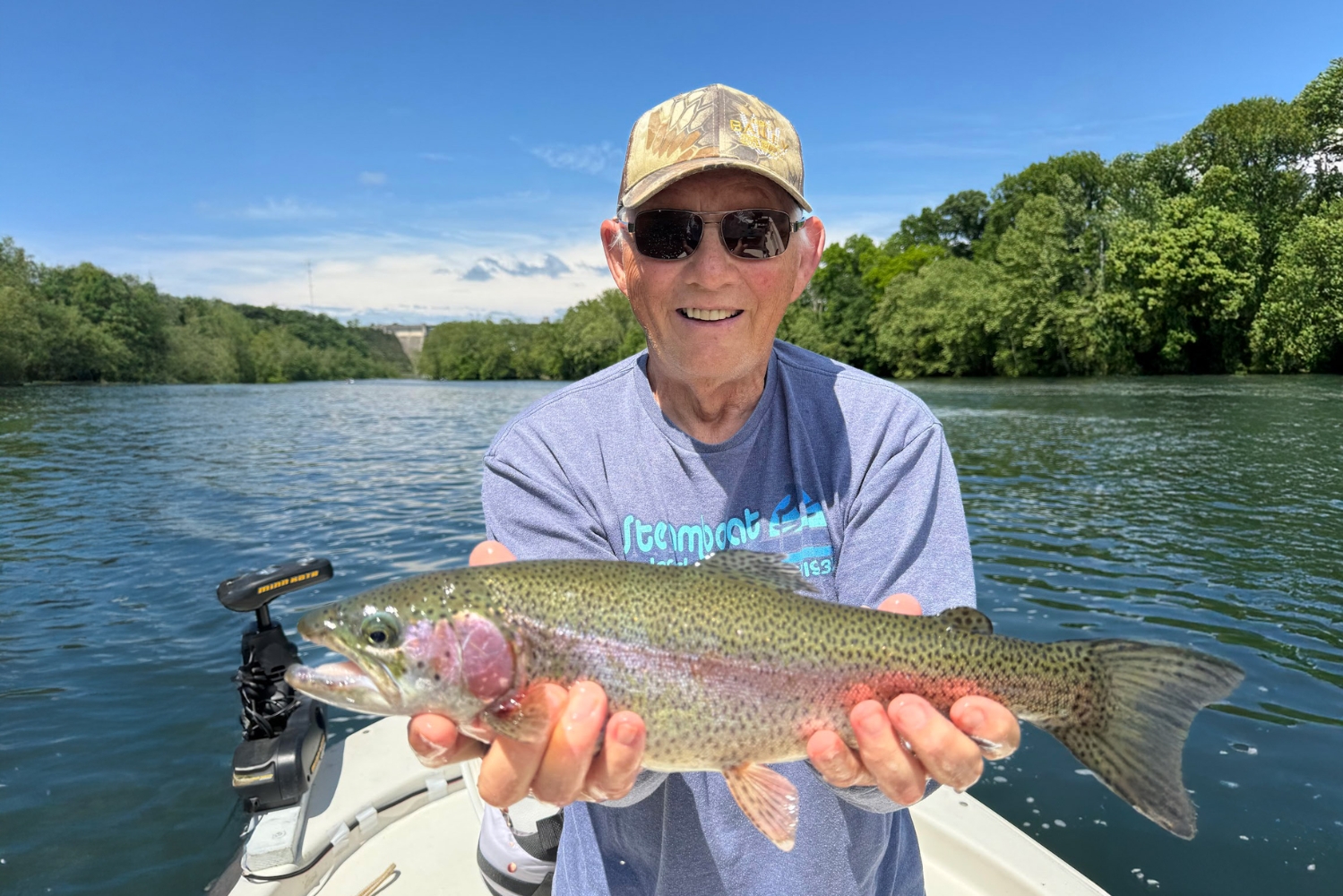
That low-water pattern gives November anglers a chance to fish carefully and cover the details.
Cooler mornings make a good start to the day, but clear, slow water still calls for light line, small flies, quiet movement, and clean drifts. When the turbines come on, look for seam edges, softer inside lanes, and places where trout can hold out of the heaviest current.
There are still opportunities for both steady rainbow action and a better trout. The larger fish take patience, good positioning, and a clean presentation.
Water Conditions
As November begins, the visible USACE rows show long minimum-flow stretches near 20 cfs and brief afternoon or evening generation. On October 30, release reached about 3,448 cfs at 7 p.m. On October 31, it peaked near 1,368 cfs at 4 p.m. before returning close to minimum flow by early evening.
For Taneycomo anglers, timing matters. During minimum flow, trout can hold in subtle depressions and soft seams. When current increases, shift toward seam edges and current breaks. Water clarity can vary, so watch the fish and adjust line size, depth, and drift to the conditions in front of you.
Fly Fishing & Wading — Below Table Rock Dam
Minimum-flow periods can offer wading windows below Table Rock Dam, especially for anglers fishing under an indicator. Recent rows show those windows lasting many hours, but generation can start quickly. Check the current schedule and river level before stepping in, and leave room to get out safely.
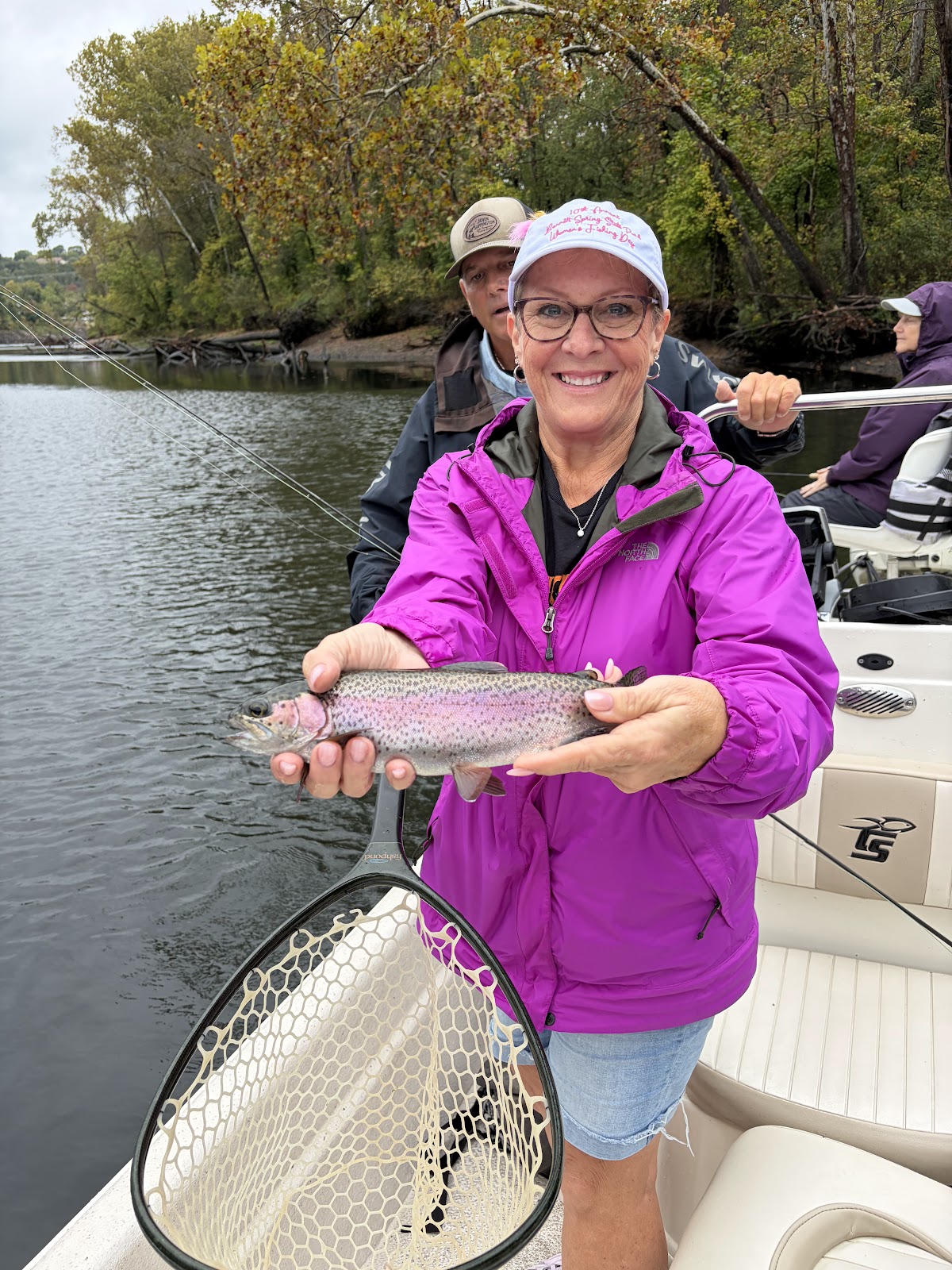
Small midges, scuds, micro jigs, pink worms, and egg-style patterns are worth keeping handy. Natural olive, gray, and brown tones remain useful, while fall also gives you a reason to carry eggs and a few brighter options. For clear, low water, 2-pound line or fine tippet can make a difference.
When water starts moving or fish show a little more attitude, streamer fishing can still move a better trout. Sculpin patterns, small shad-colored jerkbaits, and crackerjacks have produced some quality fish, though it is still not always a numbers deal. It is more of a "few chances, make them count" situation.
Stay flexible as flows change. Find the right seam, adjust depth before changing flies, and keep each drift clean through the feeding lane.
The bigger trout are around. They're just selective. November does not give them away for free.
Boat Fishing — Fall Creek to Table Rock Dam
Boat anglers are continuing to do well by fishing around the generation schedule and staying focused on current structure.
During lower water, working deeper channels and subtle depressions has been effective. Once generation starts, drifting seam edges and current breaks produces steady action, especially when the bait or fly is ticking close to bottom without dragging too much weight.
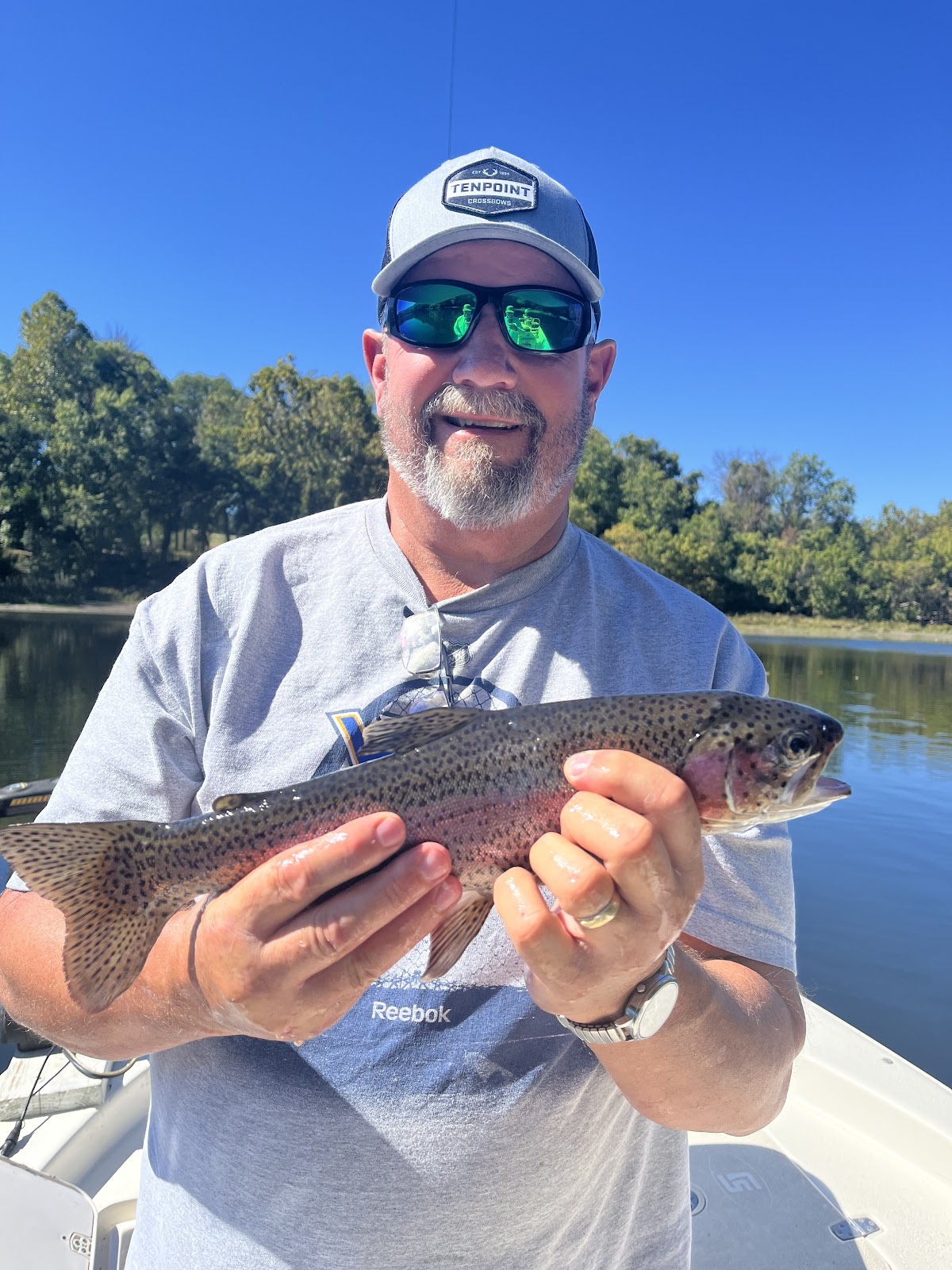
Micro jigs under a float have been hard to beat. Drifting nightcrawlers, scuds, pink worms, egg patterns, and small jigs near bottom has also stayed productive when the turbines are running. Light line, small presentations, and a natural drift are key. Cold water fish still prefer something subtle over something flashy.
Boat control makes a difference. Good drifts catch fish. The rest just go for a ride.
Lower Lake — Fall Creek to Branson Landing
Below Fall Creek down toward Branson Landing, fish are more spread out but still accessible. This stretch continues to fish well for folks who like a little space and a slower pace, and the lower lake has been worth checking when stocked rainbows gather in softer pockets.
Fly anglers can work small midges and soft hackles along softer seams and gentle drop-offs. Early mornings remain a good window before traffic picks up, and November's cooler air makes a warm layer worth bringing.
Spin and bait fishing continues to produce. PowerBait in chartreuse, pink, orange, white, and yellow is reliable as ever. Nightcrawlers and corn are steady producers. Drifting nightcrawlers with just enough weight to maintain bottom contact has been one of the most consistent approaches, especially around slower current and inside bends.
If you're dragging too much weight, the fish will let you know. Usually by not biting.
Fishing from the Docks
Dock fishing is worth trying during minimum flow and quieter parts of the day. When trout inspect baits closely, lighter line and a natural presentation can help.
Effective setups include:
- Micro jigs under small floats on 2 lb test
- PowerBait in white, chartreuse, yellow, or pink
- Nightcrawlers, wax worms, or mealworms under a bobber
Watch for subtle surface movement early and late in the day. When trout slide up shallow or tuck into slack water, small spinners, spoons, and pink worm-style presentations can trigger reaction bites.
Dock fishing is still a timing game. When it lines up, it can be quietly productive.
Overall Outlook
November starts with a low-water pattern and cooler mornings. Branson Airport observations from October 18 through early November 1 averaged about 61.2 F, while the latest USACE rows put Table Rock around 910.47 feet, well below the 917-foot power pool, with no spillway release in the visible period.
This is still a detail-oriented time of year. Light takes, fine adjustments, and paying attention to drift make the difference. Stable weather continues to produce the most reliable fishing, while overcast skies and a little wind help tip things in your favor.
Brown trout are part of the fall picture in the upper lake, and a larger fish may call for more patience than the rainbows. Keep egg patterns, scuds, midges, streamers, and careful low-water presentations in the plan. Watch current conditions rather than assuming yesterday's generation pattern will repeat.
November rewards anglers who enjoy the details: watch the water, start clean, adjust before the current forces the issue, and keep a few fall tricks ready.
Let’s Go Fishing!
If you’d like to get out on the water, book a trip with me. I’ve been guiding on Lake Taneycomo for over 27 years, and I’d love to put you on fish while sharing the techniques that consistently produce in any condition.
If I’m booked, call 417-460-5727 and one of my trusted guides will take great care of you.